31 August 2026 · Sara Marugan
What language is worth in our society
This article was machine-translated from Sara's Catalan original. The writing is hers; the translation has not been reviewed by a person. Read the Catalan original →
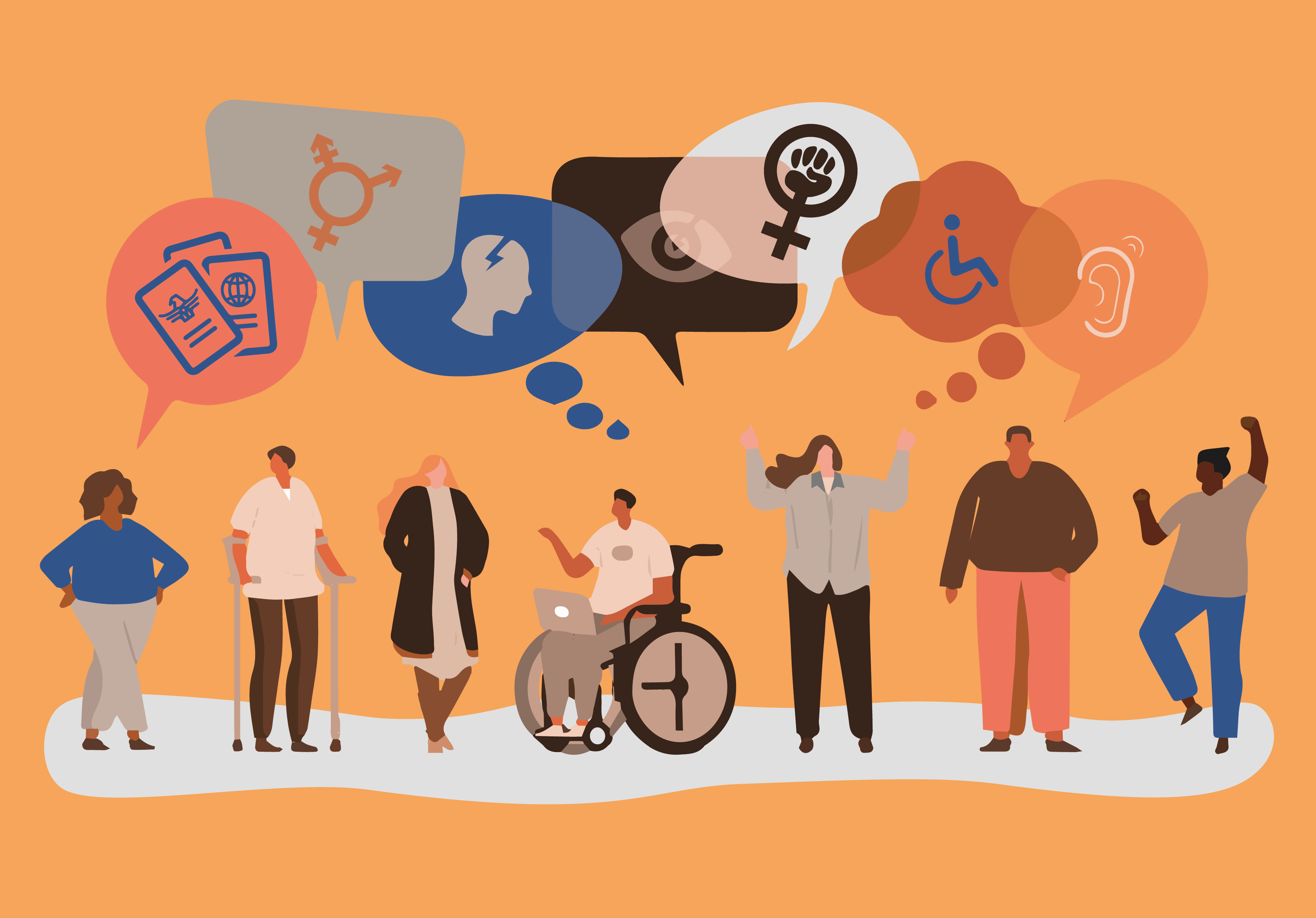
Language and literature are everywhere in our society, and we find them in every area of life: in moments of intimacy or of openness, in public and private spaces, in festive, artistic, liturgical, ceremonial, formal and therapeutic settings — and in all of them language performs a wide range of uses and functions. What is more, as contemporary linguistics shows, language is not just a string of words in some presumed order: it also carries feelings, ideas and values. Every language practice we work on in a primary or secondary classroom is closely tied to a social fabric and is, at the same time, culturally meaningful.
We know, for instance, that language is a powerful mechanism in building identity — both individually, as the usage of today's young people and of past generations shows, and collectively, in shared images, many of them with a strong ethnic charge. Language has a particular functional versatility: it supports physical and mental development, it develops artistic sensibility and aesthetic judgement, it can be a healthy channel for emotional expression, it makes shared encounters possible, it exercises the will and the drive to improve. In short, language can be, as some say, a fit way of knowing the world, a tool that transforms reality and a competent manager of our lives.
For all of this, we should value language as an effective teaching instrument across broad sectors of our society — not only for people of school age, but also for minorities at risk of social exclusion, people with disabilities, prisoners, older people. Knowing the linguistic reality is therefore something we teachers should keep in mind, so that we can put it into practice in the classroom with the students to come.
Sara Marugan Oliva