5 August 2026 · Sara Marugan
The historical failures of the communisms
This article was machine-translated from Sara's Catalan original. The writing is hers; the translation has not been reviewed by a person. Read the Catalan original →
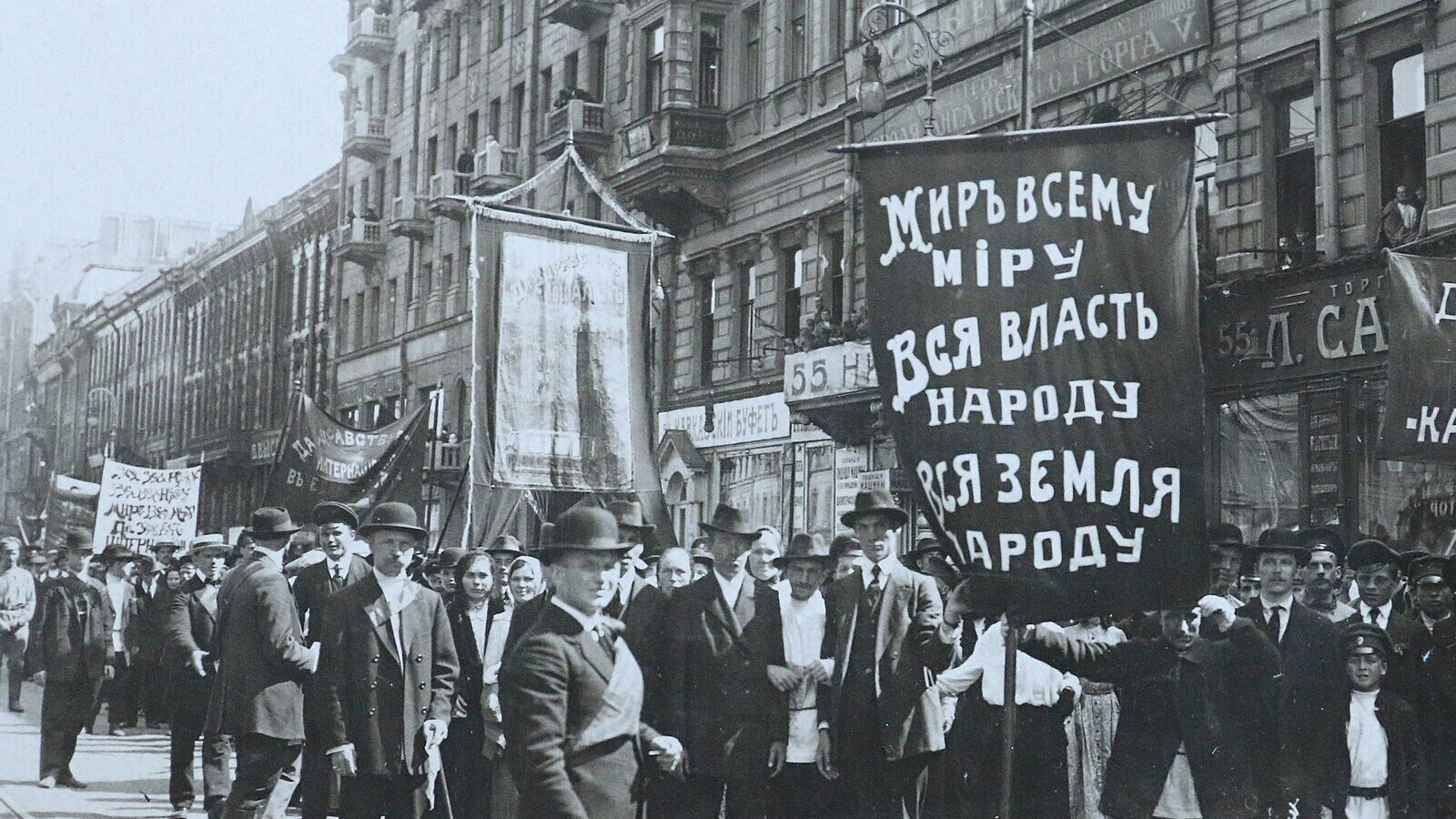
Communism, which emerged in the 19th century, created problems both for the middle and working classes, as an underdeveloped ideology, and for industrialists and factory owners, who were impoverished. That said, I consider communism an ineffective economic ideology that has done society a great deal of harm, since the communist economy arose out of a feeling of oppression by capitalism. The new political ideology set out to create an ideal, perfect world.
One historical event stands out: the revolution of 1917, which marked us negatively, when Lenin and the Bolsheviks stormed the Winter Palace and brought down the provisional government. From that moment there was a historical rupture, and the Soviet Union would remain a source of conflict for the rest of the 20th century. A few months later a civil war broke out, lasting some five years, from 1917 to 1922. That struggle came as no surprise to Russians, especially those who had fought in the First World War (1914–1918), because they did not want to become communists.
Over time the situation in the Soviet Union did not improve much, above all after Lenin died in 1924 and a new dictator soon rose: Stalin, who thanks to Lenin had become secretary of the Communist Party of the Soviet Union. Once in office he abused the position, handing posts and jobs to his friends and securing their vote in return. That made the Soviet regime worse still. Under Stalin's dictatorship there would be further purges against citizens and even against the army itself.
Because Stalin was a deeply paranoid and distrustful man, he wanted to keep his power until death. So he sent the NKVD, the Soviet secret police, out daily to find, interrogate, torture and execute people. If the NKVD did not kill someone, it threw them into the middle of nowhere in the Gulag — Russian prisons in the depths of Siberia, where very hard manual labour was carried out for hours on end and many prisoners died from overwork. In this way Stalin accumulated more than 20 million deaths under his rule, where Adolf Hitler accumulated 12 million.
Stalin was not the only one to use communist ideology to terrify millions. There was also Mao Zedong, principal founder of the People's Republic of China in 1949 and eventually its ruler. His position as chairman of the Chinese Communist Party gave him great authority and power, and he introduced a series of social reforms, such as the «Great Leap Forward», which involved exporting more goods abroad to grow the economy (rice and so on) while importing nothing. The resulting chaos caused a shortage of basic necessities and a great famine, which also killed millions of Chinese people.
In conclusion, I think communism has been an ideology that, across history, has caused more harm than good, since it has brought about many deaths and much suffering that still affects us today. There are countries such as China where censorship is applied to reinforce communist values. Beyond that, the citizens of Hong Kong tend to be oppressed, and there are «re-education» camps that are really concentration camps, because an ethnic minority lives within Chinese territory and does not follow the established communist values. Unnecessary suffering, then, born of a politics I consider misguided and that ought to be eradicated.